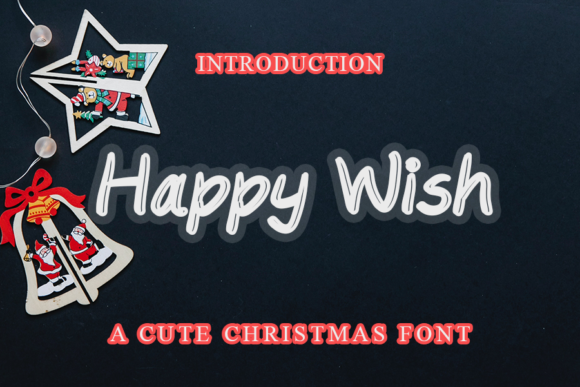
Happy Wish: The Handwritten Font That Elevates Your Brand
Using Happy Wish Across Digital Platforms
Happy Wish is incredibly adaptable, working seamlessly across multiple platforms and formats. Here are some key use cases:
- Social Media Graphics: Use Happy Wish for Instagram captions, Facebook headlines, or Pinterest pins to create eye-catching visuals that draw users in.
- YouTube Thumbnails: The font’s playful nature makes it ideal for video titles and callouts, helping your content stand out in crowded feeds.
- Email Headers: Add a personal touch to your email campaigns with Happy Wish, making your subject lines more engaging and memorable.
- Website Banners & Landing Pages: Incorporate Happy Wish into your website headers or promotional banners to create a cohesive and inviting brand experience.
- Digital Ads: Use the font for display ads, product teasers, or sale announcements to grab attention quickly and drive conversions.
Enhancing Visual Hierarchy and Readability
One of the biggest advantages of using Happy Wish is its ability to improve visual hierarchy and readability. Because it’s a script font, it naturally draws the eye, making it perfect for headlines, callouts, and key messages. However, it’s important to balance its use with complementary fonts to maintain clarity, especially on mobile devices.
For instance, pairing Happy Wish with a clean sans serif font like Montserrat or Lato can help balance the design, ensuring that your content remains scannable and easy to read. This combination works well for captions, descriptions, and supporting text, allowing the handwritten style to shine without overwhelming the reader.
Building Brand Recognition with Happy Wish
Consistency is key when it comes to brand identity. Using Happy Wish across all your digital assets helps reinforce your brand’s personality and makes your content instantly recognizable. Whether you’re launching a new product, running a seasonal promotion, or sharing inspirational quotes, the font’s unique style ensures your message stays fresh and engaging.
For example, if you’re promoting a limited-time sale, using Happy Wish for your headline creates a sense of urgency and excitement. Similarly, a webinar banner featuring the font can set the tone for a more personal and interactive event, encouraging higher engagement and attendance.
Readability Tips for Mobile and Social Feeds
With so many users scrolling through their feeds, readability is crucial. Happy Wish performs well on mobile screens, especially when used for short text, headlines, and callouts. However, it’s best suited for larger text sizes and should be avoided for long paragraphs or small previews.
To ensure optimal performance, always test your designs on different screen sizes and resolutions. Avoid overusing the font in dense layouts, as it can reduce legibility in fast-scrolling environments. Instead, reserve Happy Wish for key elements that need to capture attention immediately.
Font Pairing and Design Flexibility
Happy Wish is not just a standalone font—it’s a versatile tool that can be paired with other typefaces to create dynamic and professional designs. For a more editorial look, pair it with a serif font like Georgia or Times New Roman. For a modern, minimalist feel, combine it with a sans serif font like Helvetica or Open Sans.
When designing branded templates, consider using Happy Wish for logo marks, taglines, or decorative accents. It can add a touch of elegance and personality to your brand assets without overpowering the overall design. Always review commercial licensing terms before using the font in client campaigns, merchandise, or digital products.
Conclusion
Happy Wish is more than just a font—it’s a powerful design asset that can elevate your marketing efforts and strengthen your brand presence. Whether you’re creating social media graphics, email campaigns, or website banners, this handwritten font offers a unique blend of style, readability, and versatility.