Braveheart: A Font That Adds Personality to Your Brand
There’s a moment in every small business owner’s journey when you realize that the way your brand looks can make or break customer perception. I remember when I was redesigning my boutique’s product tags and felt stuck between a clean, modern font and something more eye-catching. That’s when I discovered Braveheart, a sweet and friendly handwritten font that immediately felt like the perfect fit for my brand.
The Right Font Can Make a Big Difference
Typography isn’t just about aesthetics—it’s about communication. The right font can convey warmth, professionalism, or creativity, and it can help your brand stand out in a crowded market. For a boutique like mine, where handmade charm is key, Braveheart brought a sense of personality that felt authentic and approachable.
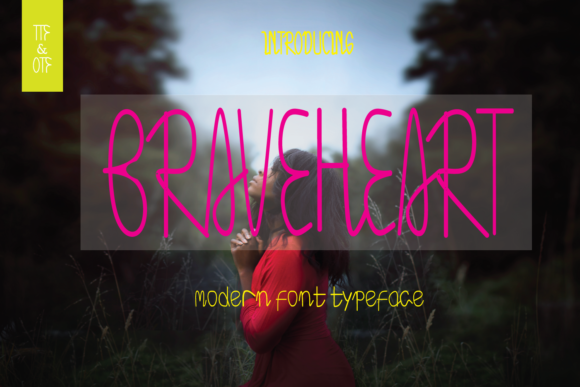
Braveheart is a script font with a natural, handwritten feel. It has a gentle curve and a friendly rhythm that makes it feel inviting. Its style is both elegant and casual, which makes it versatile enough to work across different design applications. Whether it's used for a logo, packaging, or social media graphics, it adds a touch of character without overwhelming the design.
Braveheart in Action: Real-World Applications
I first tested Braveheart on my product tags. Before switching, I was using a generic sans serif font that felt too sterile. With Braveheart, the tags now have a handcrafted look that matches the quality of the products. Customers seem to notice the difference—many comment on how the tags feel personal and well-designed.
Another place I’ve used Braveheart is in my Instagram promotions. When I updated my shop banner with the font, it immediately felt more cohesive and professional. The font’s readability on mobile screens is impressive, and it works well even at smaller sizes. I’ve also used it for thank-you cards and packaging labels, where its soft curves add a nice visual contrast to the rest of the design.
One of my favorite uses has been in menu design. I recently redesigned a café’s menu board, and Braveheart helped create a warm and welcoming atmosphere. It’s not too bold, but it still commands attention. Pairing it with a clean sans serif font for the body text made the whole design feel balanced and easy to read.
How Braveheart Enhances Brand Identity
Consistency is key in branding, and typography plays a big role in that. Using Braveheart across multiple touchpoints—from packaging to digital assets—helps build recognition. It gives your brand a signature look that customers start to associate with your products.
But it’s not just about consistency. Braveheart also helps create an emotional connection. Its friendly and approachable style feels like a conversation rather than a sales pitch. This is especially important for small businesses that want to build trust and loyalty with their audience.
When designing for print, I always consider how the font will look at different sizes. Braveheart performs well on product labels and packaging, even when printed in small fonts. It’s also great for web use, as it maintains clarity and legibility on both desktop and mobile devices.
Pairing Braveheart with Other Fonts
While Braveheart can be used on its own, it often benefits from being paired with other fonts. I’ve found that combining it with a clean sans serif font like Montserrat or Lato creates a nice balance. The sans serif font handles the body text, while Braveheart adds a decorative touch to headlines or titles.
For a more elegant look, pairing Braveheart with a classic serif font like Garamond or Georgia can give your design a timeless feel. If you’re looking for a more modern aesthetic, try pairing it with a geometric sans serif like Futura or Bebas Neue.
It’s also worth noting that Braveheart includes several styles, weights, and alternates, which makes it flexible for different design needs. From bold headlines to subtle accents, the font offers a range of options that can adapt to your brand’s evolving identity.
What to Consider Before Using Braveheart
Before jumping into a project, I always check the font’s specifications. Braveheart comes with various file formats, including OTF and TTF, which are compatible with most design software. It also supports multiple languages, making it a great choice for businesses with international appeal.
Make sure to review the licensing terms, especially if you plan to use the font on merchandise, templates, or client work. A premium font like Braveheart typically comes with commercial use rights, but it’s always good to double-check the details.
Lastly, don’t forget to test the font in different contexts. How does it look on a product label? Does it read well on a website banner? Will it maintain its character at smaller sizes? Taking the time to experiment ensures that your design choices align with your brand’s goals.